Organizational Structures within Product Design Management
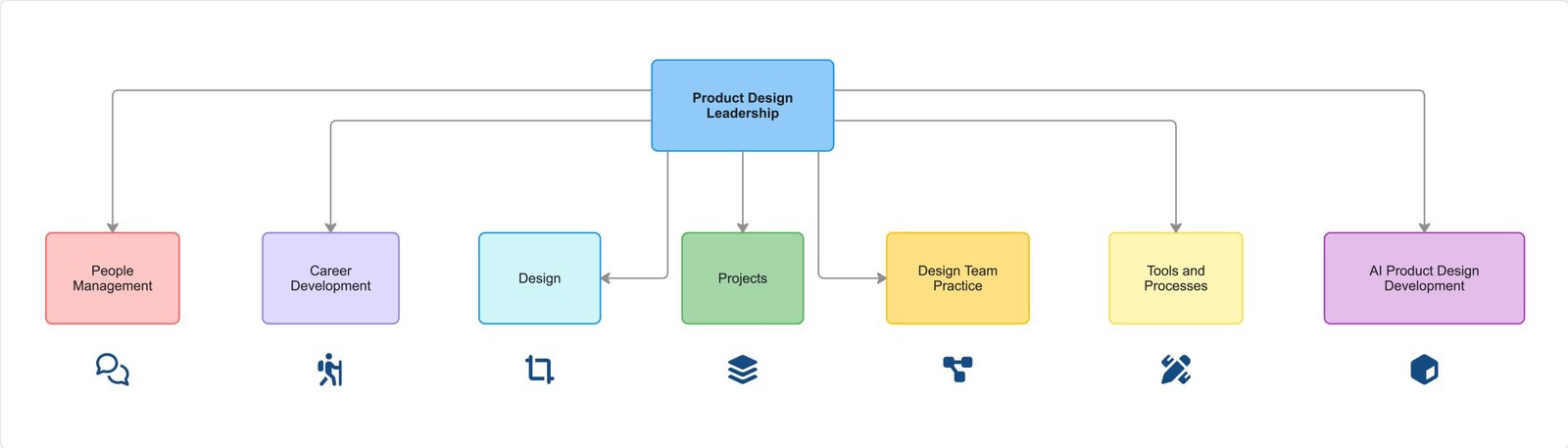
Overseeing a high-performing Product Design team requires balancing operational efficiency with human-centric leadership. It’s about managing overlapping domains: maximizing our current design stacks, actively piloting emerging tools (like agentic AI platforms), and aligning individual career growth with overarching business objectives. True design leadership means nurturing talent, course-correcting when necessary, and building an adaptable environment where designers can thrive.
Roadmapping and Jira Tracking
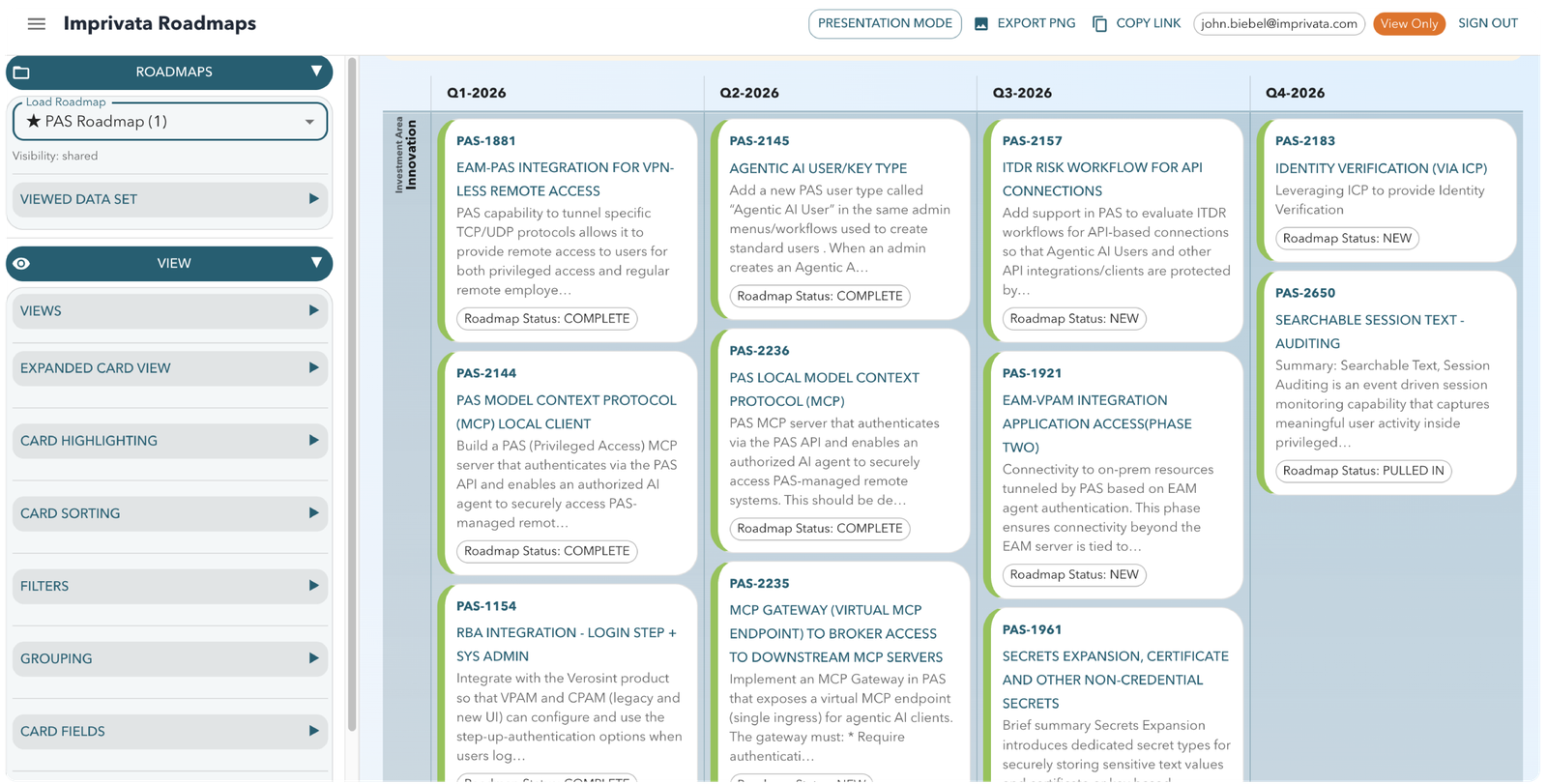
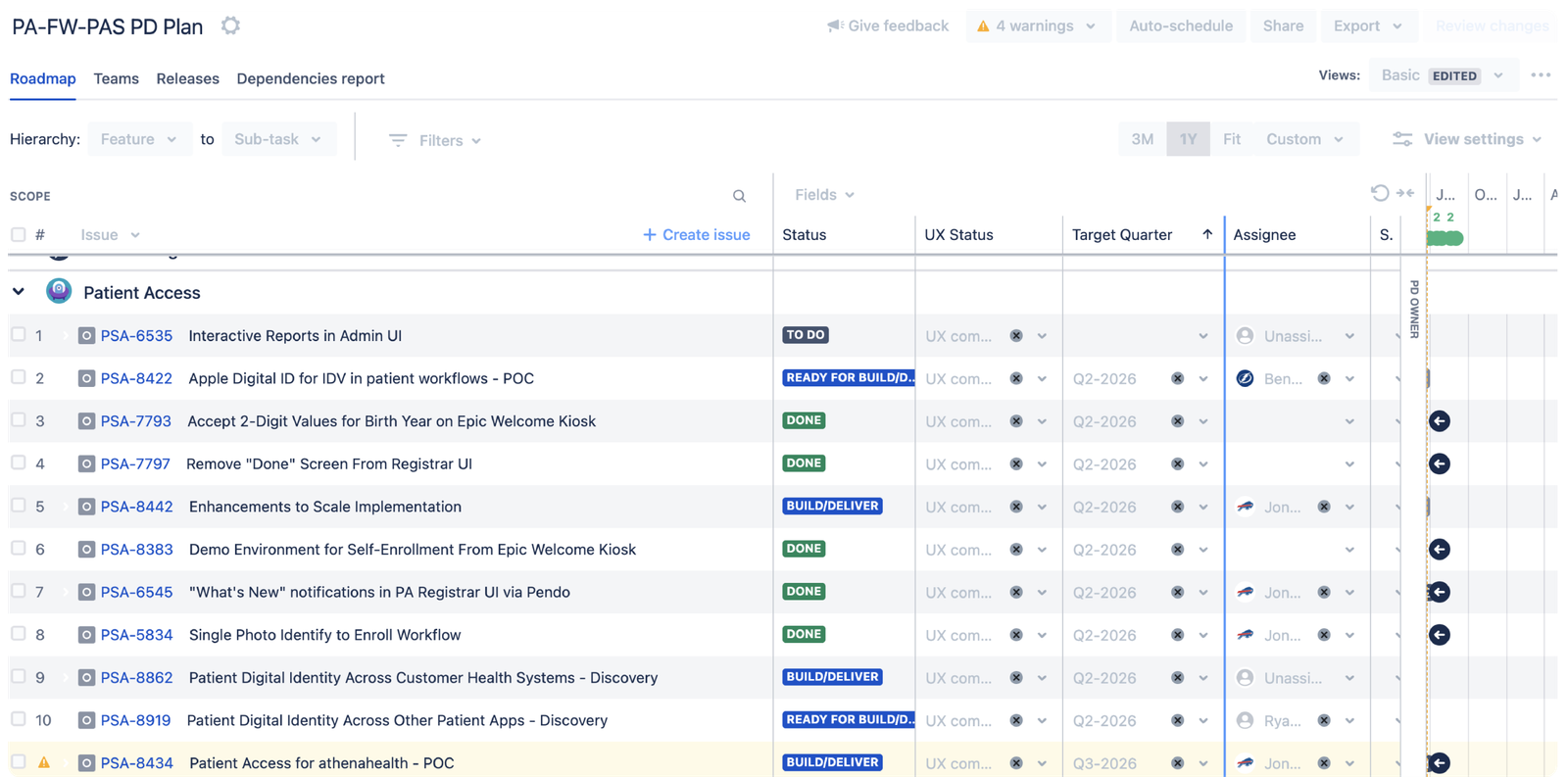
In my current role, we pair a specialized, Roadmunk-like roadmapping tool with Jira to map out quarterly feature deliveries. This integration allows us to run precise queries, offering total visibility into what is being delivered per project sprint and exactly what is on each designer’s plate.
Looking Ahead: As teams transition into AI-optimized pods and squads, we can easily pivot this workflow into a Kanban format, which offers greater flexibility and adaptability compared to rigid, schedule-based delivery models.
Designing in AI-Optimized Squads
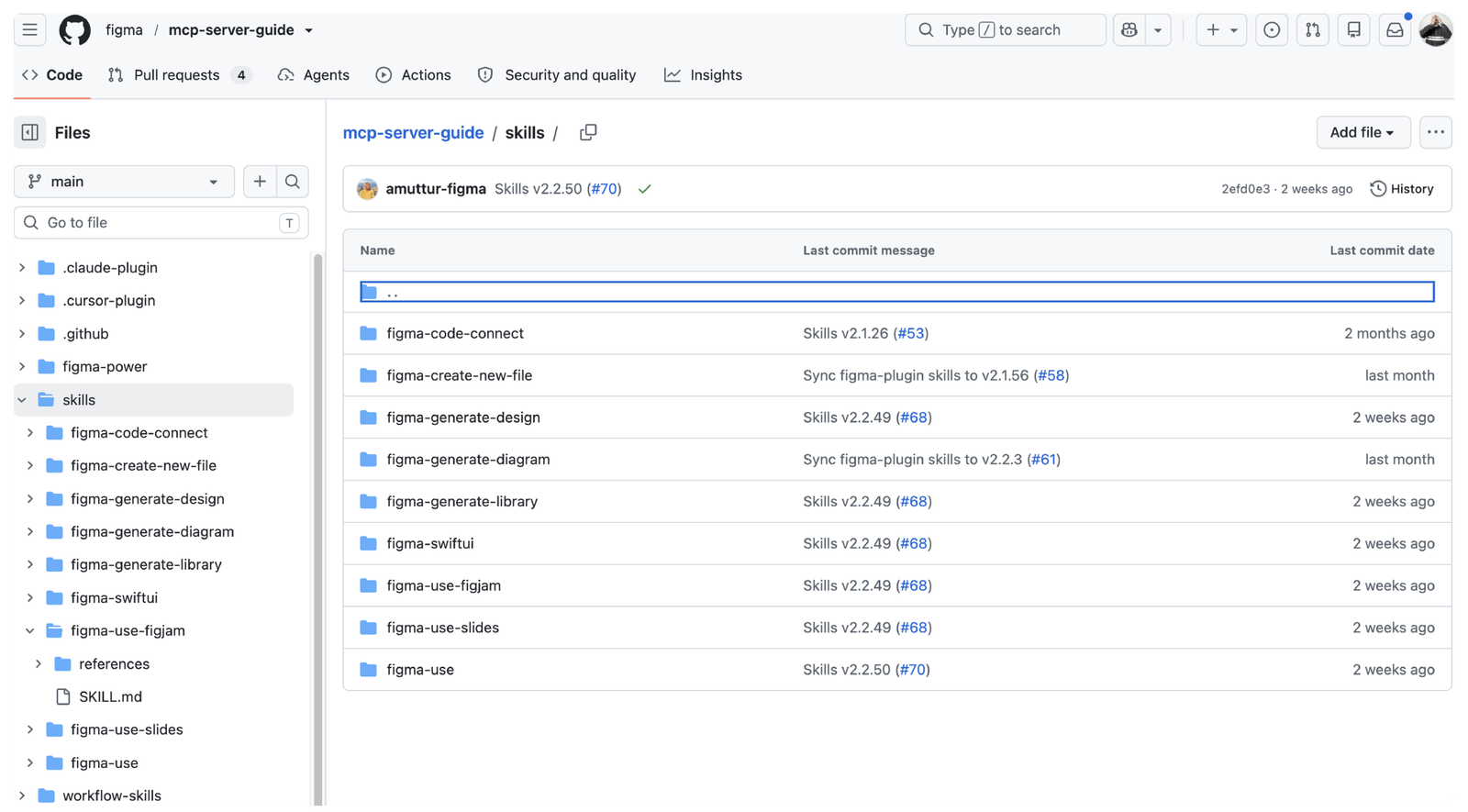
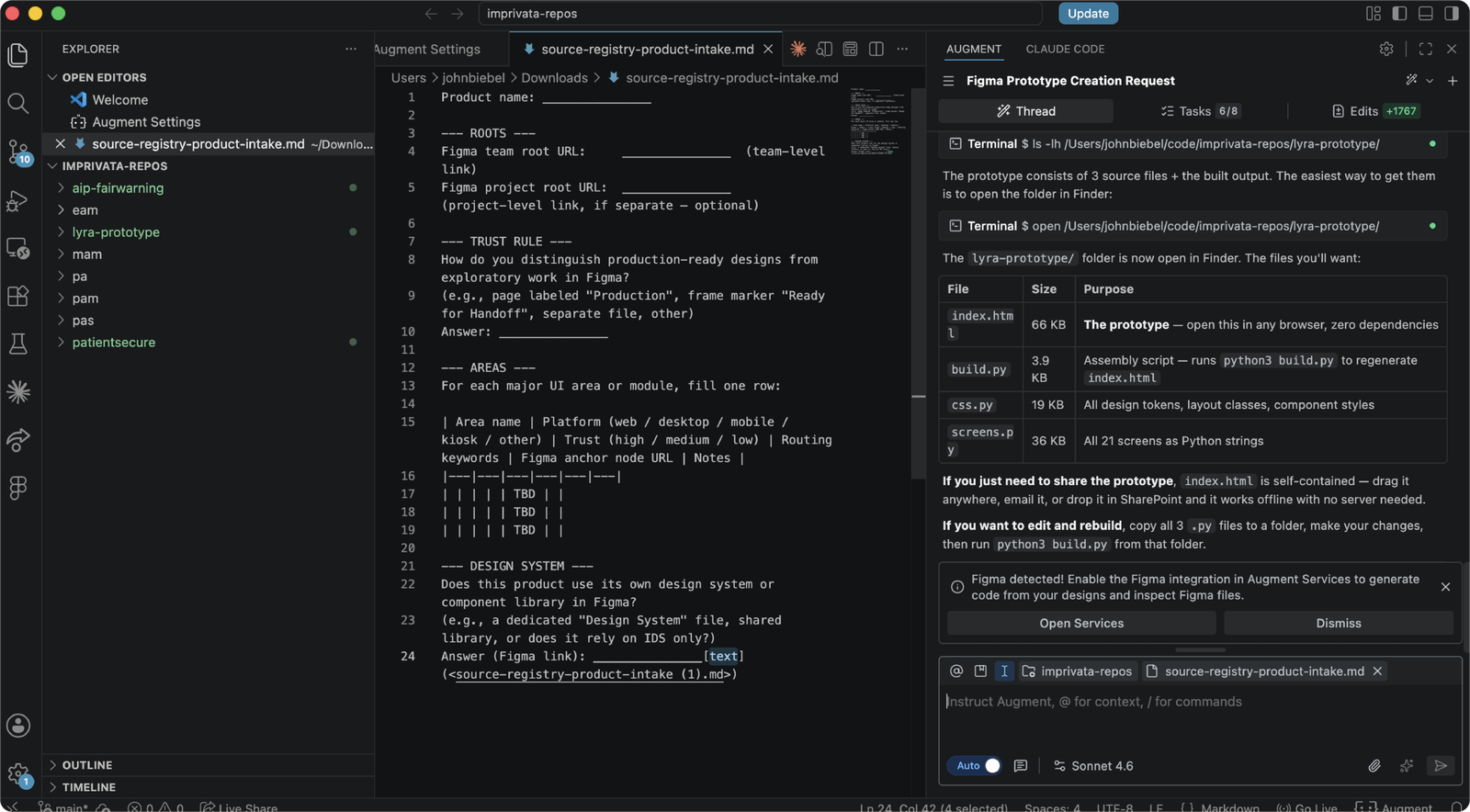
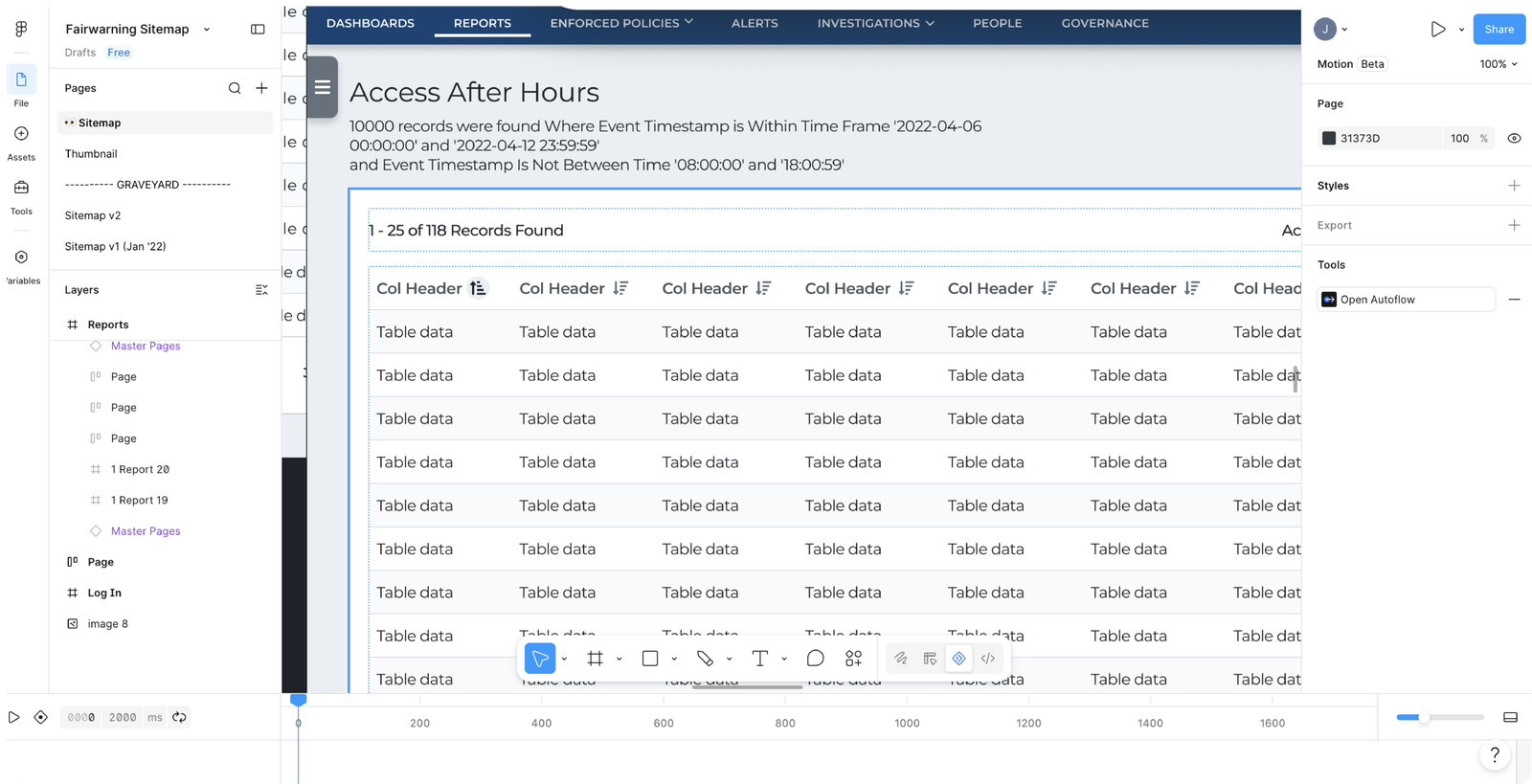
When embedded in AI-optimized pods, modern designers increasingly work within environments like Visual Studio and Augment. Here, agentic models and commands generate context-informed, working prototypes directly alongside Figma designs and established design systems. This allows us to rapidly spin up greenfield design ideas rooted in collaborative requirements alignment across the entire product ecosystem—including engineering, product management, and quality engineering (QE).
Figma & Design Systems: The Backbone of UX
Figma remains the backbone of our product design process. It’s where user research, business requirements, and problem-solving converge to eliminate friction and create elegant, delightful experiences.
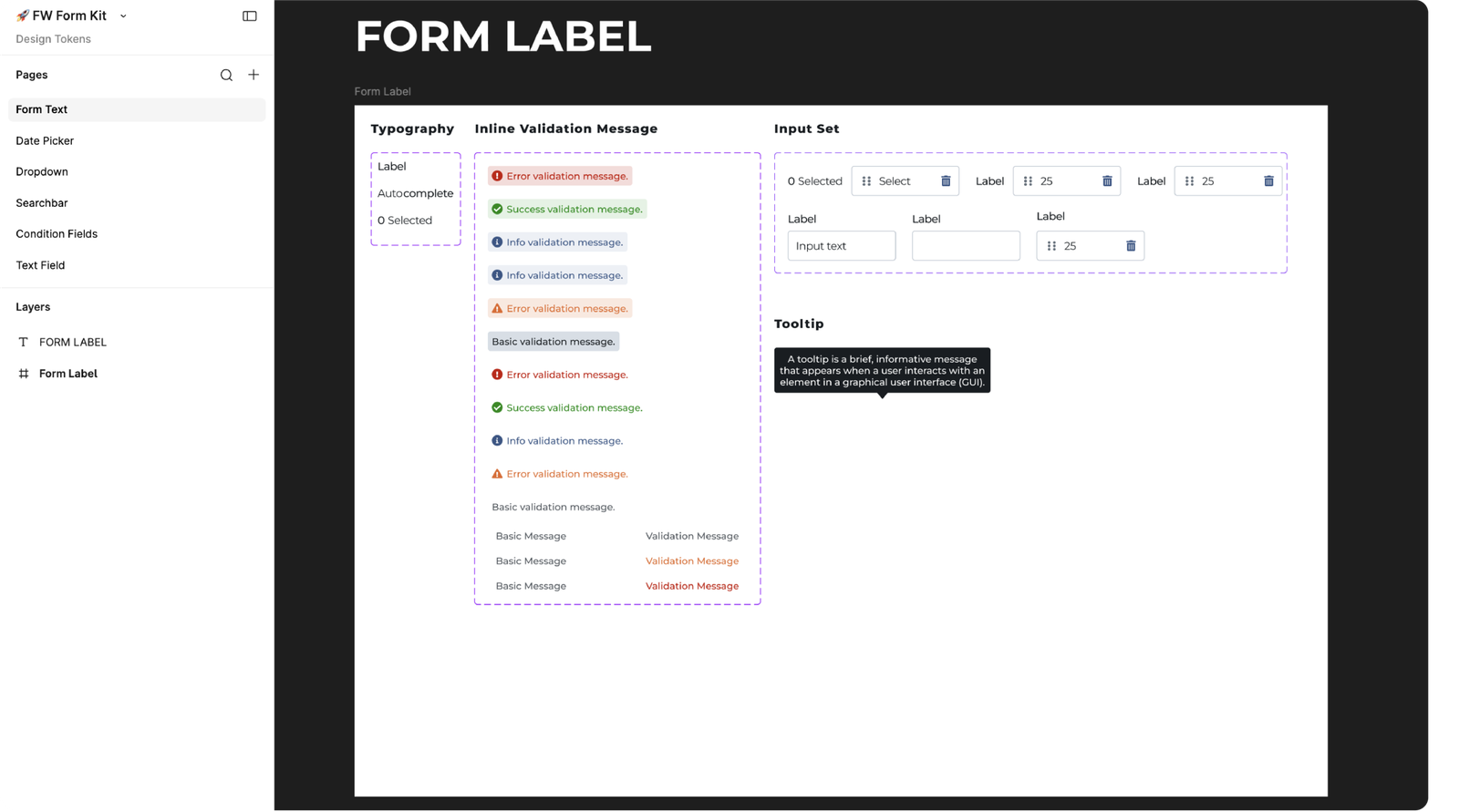
As our workflows evolve, a robust, well-informed design system becomes critical. By automating the guesswork around foundational elements like colors, spacing, and buttons, we free up our designers to do what they do best: talk to users, focus on problem solving, and perfect how a product actually looks, feels, and functions.
Research: UMass Hospital Site Visit
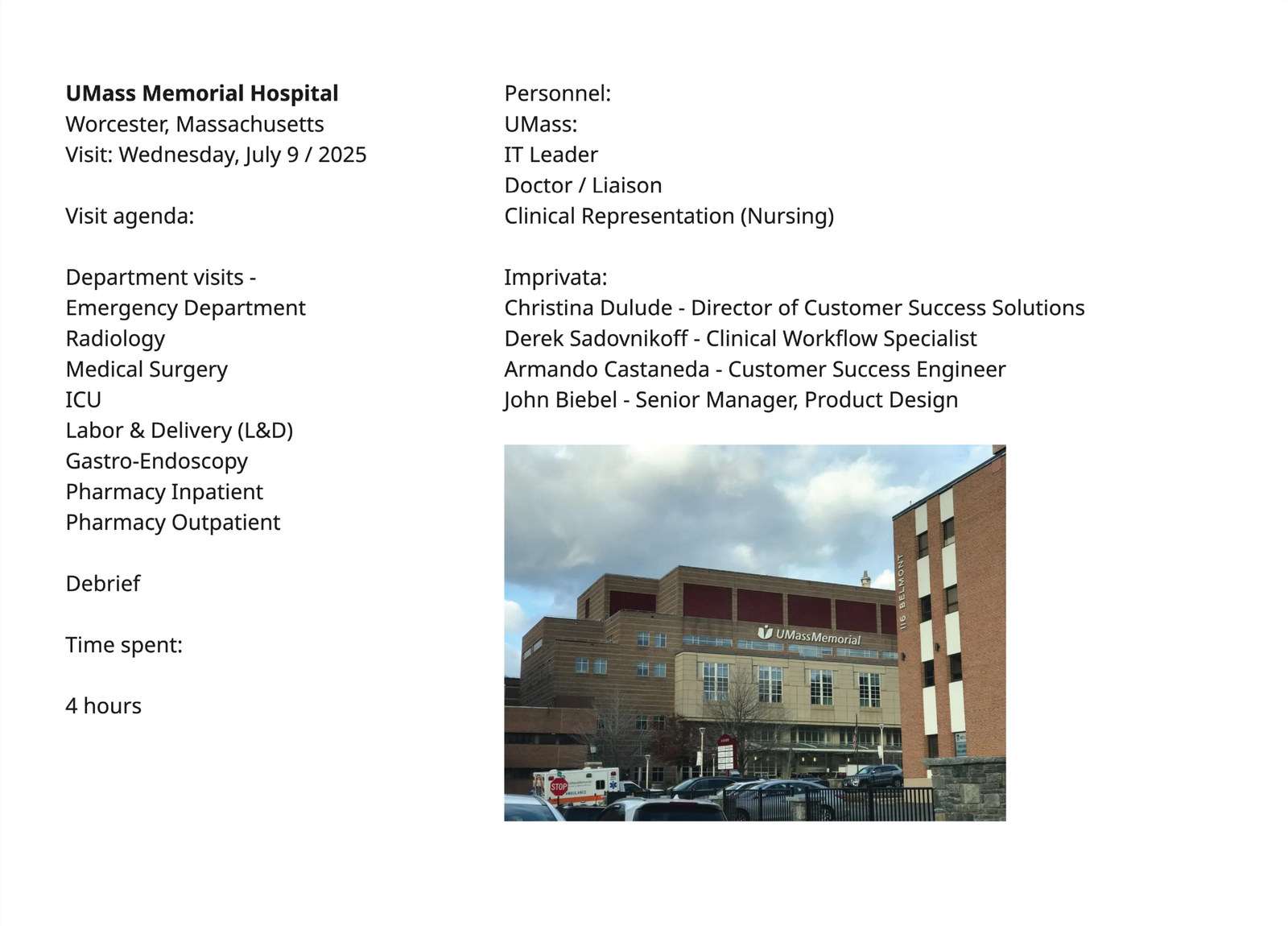
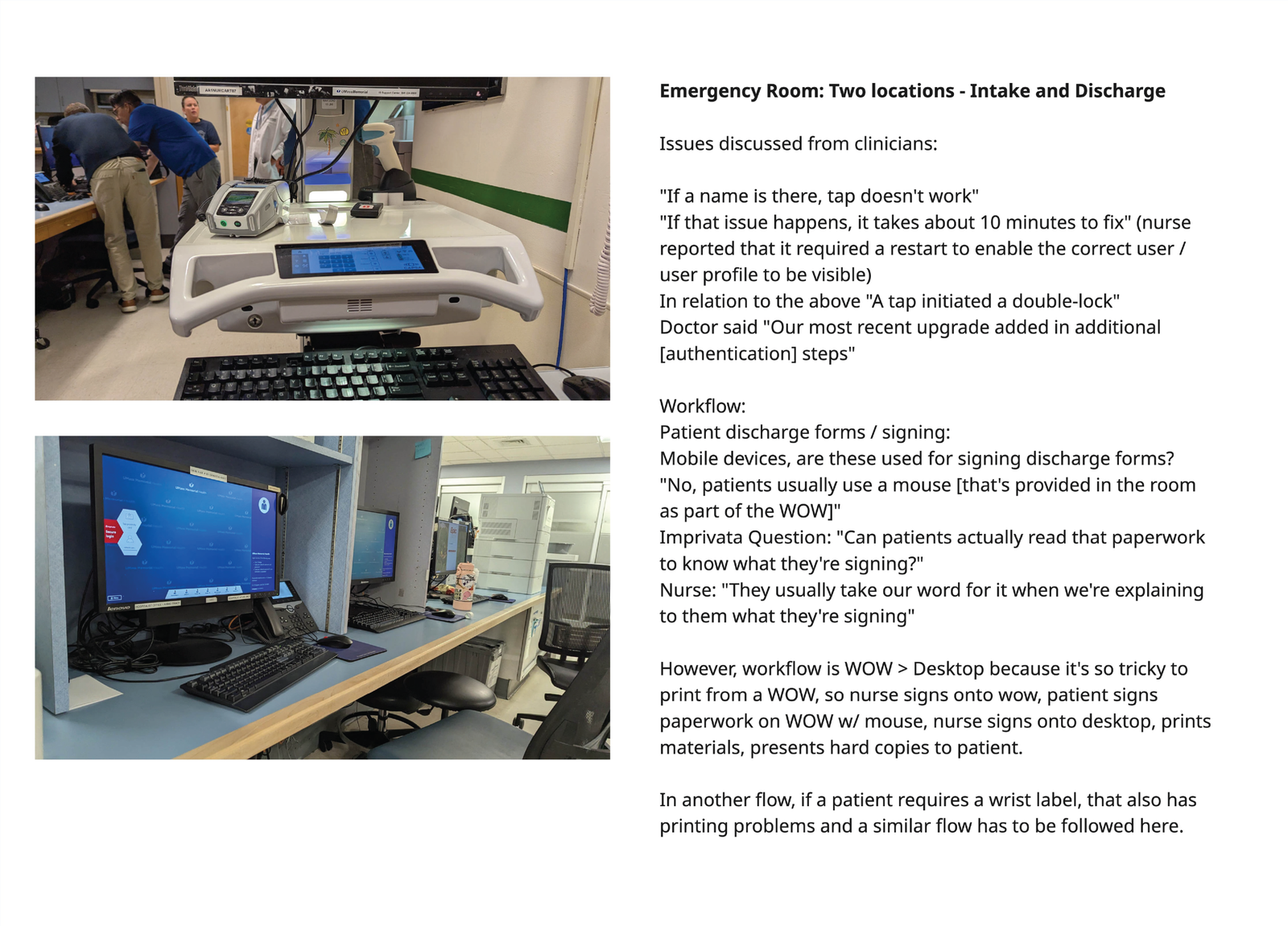
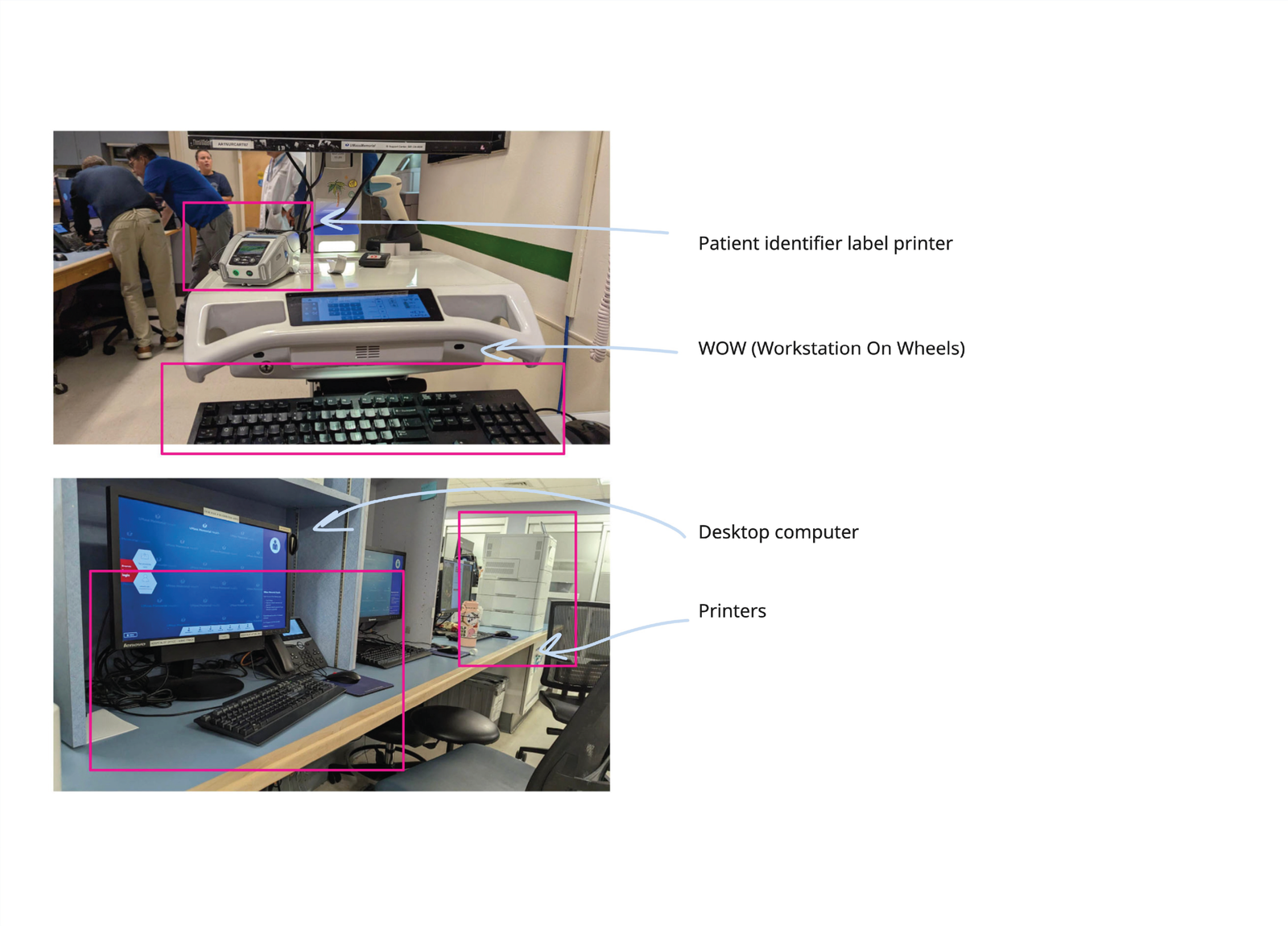
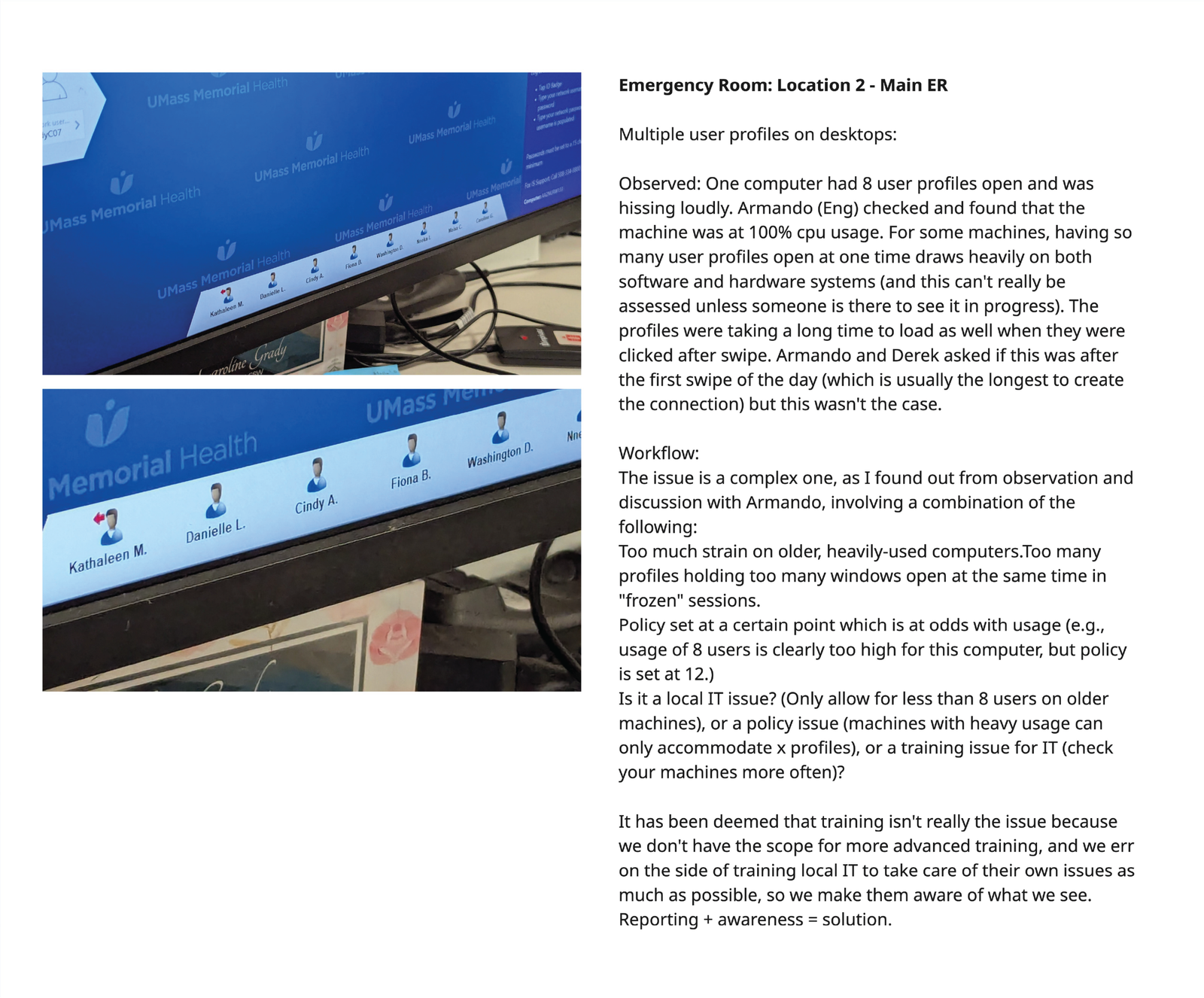
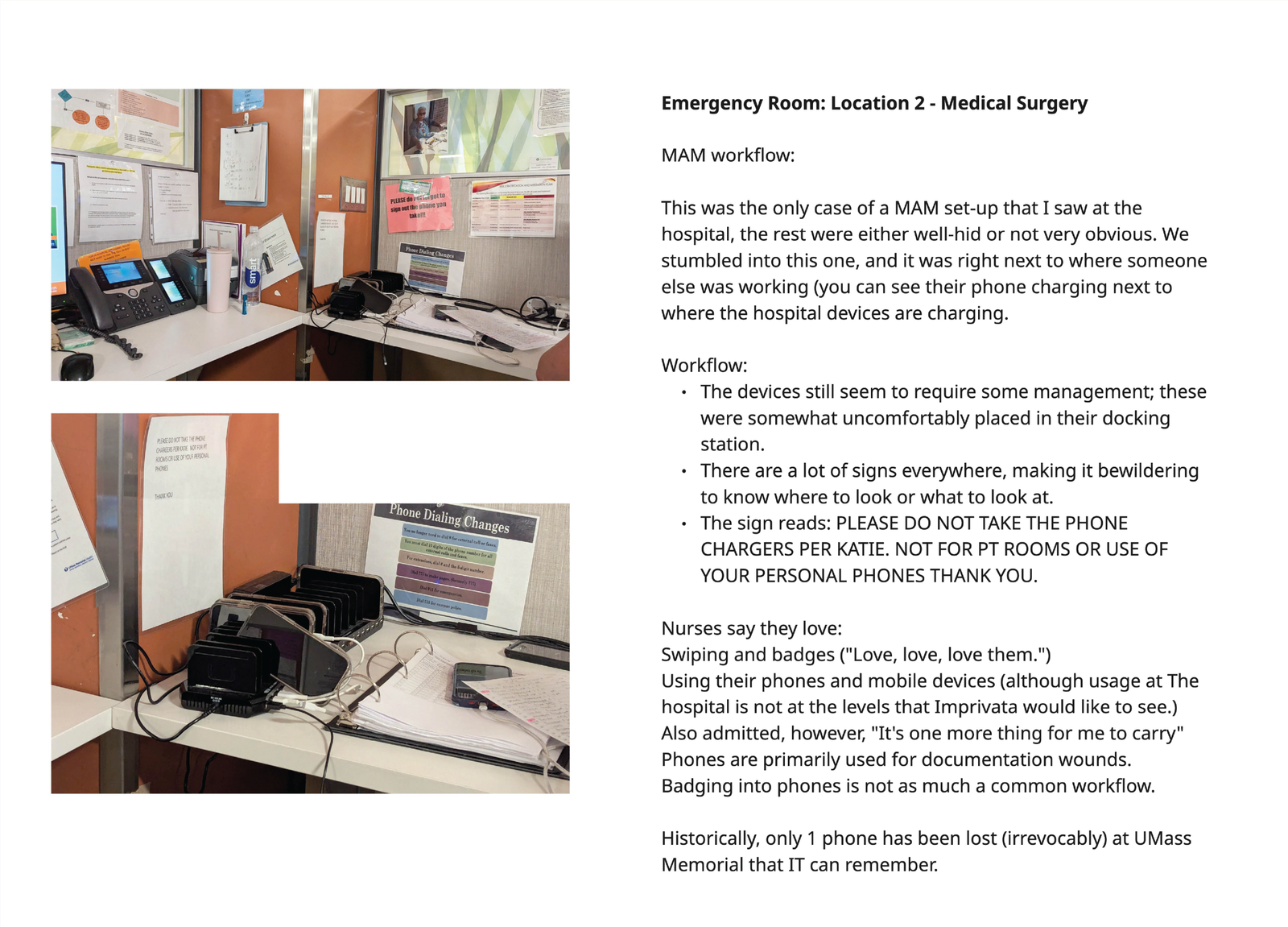
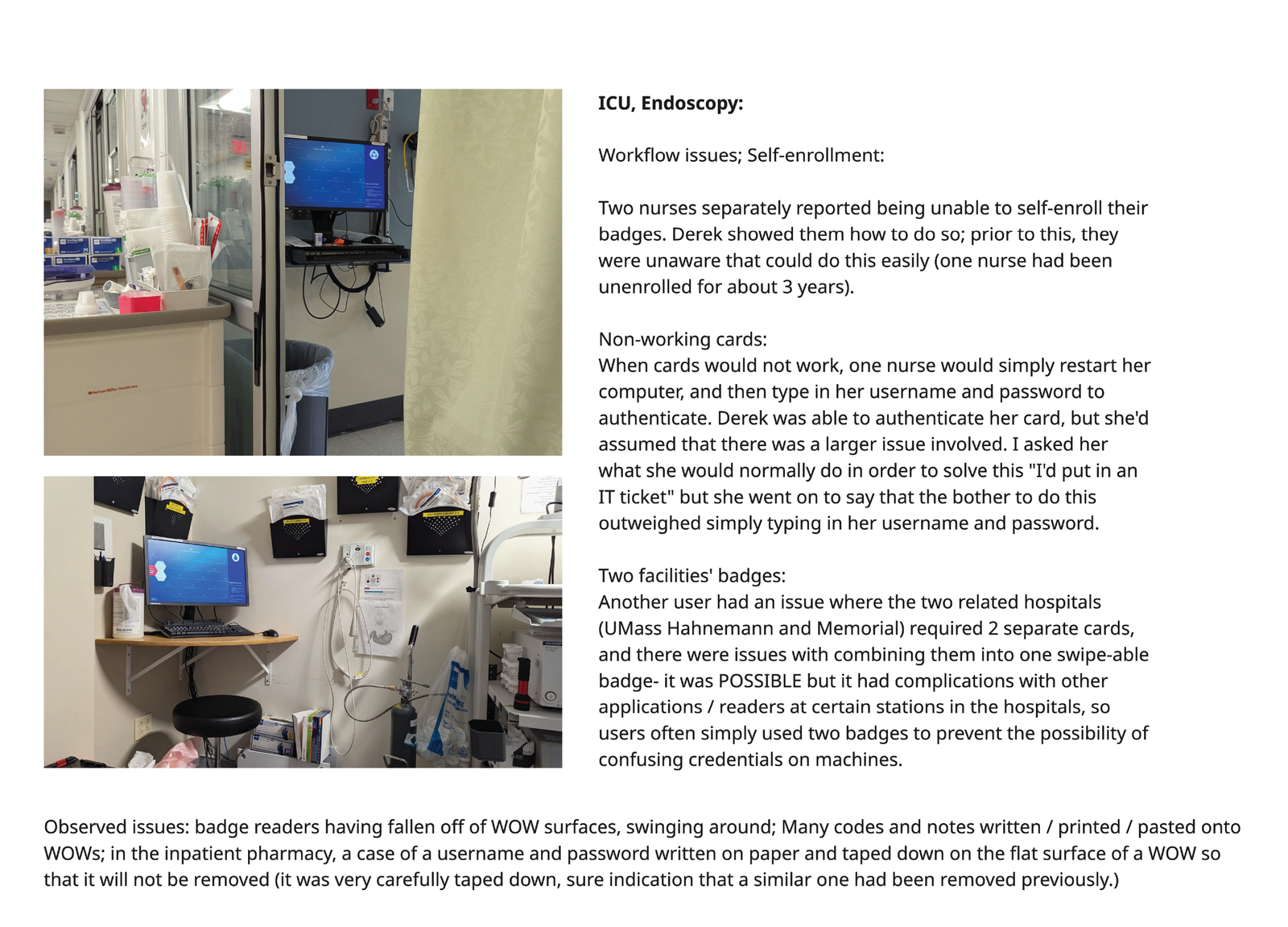
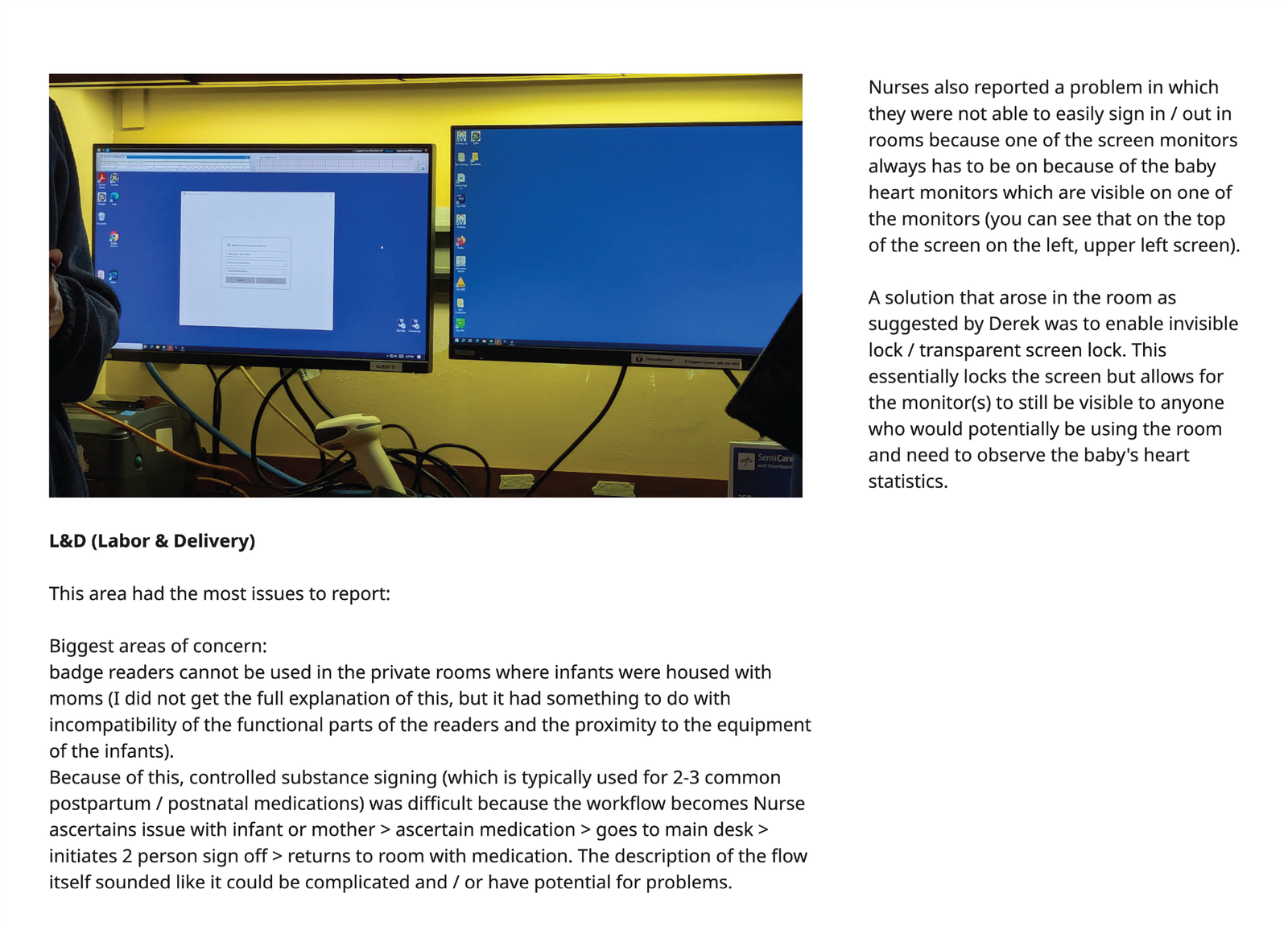
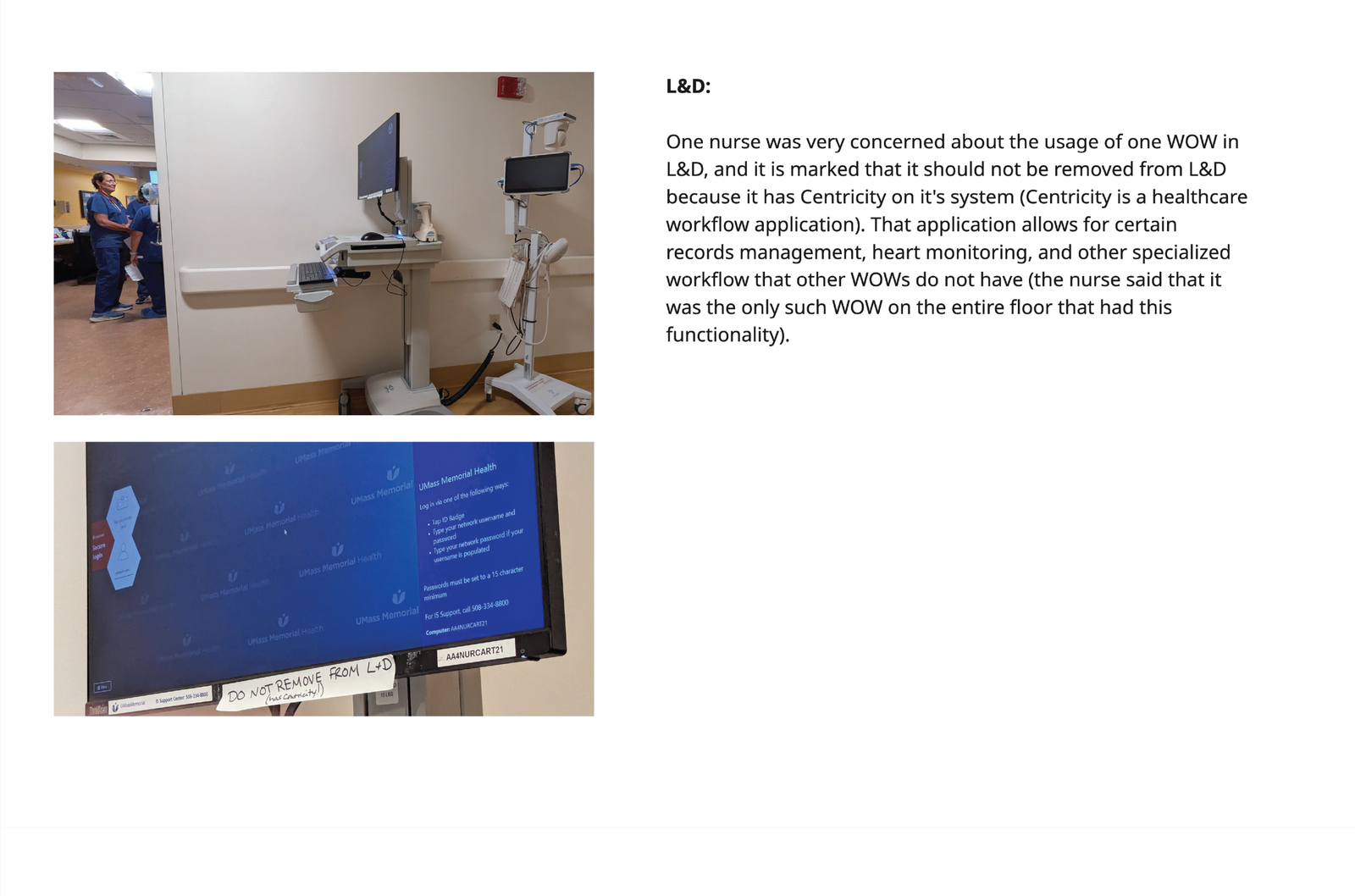
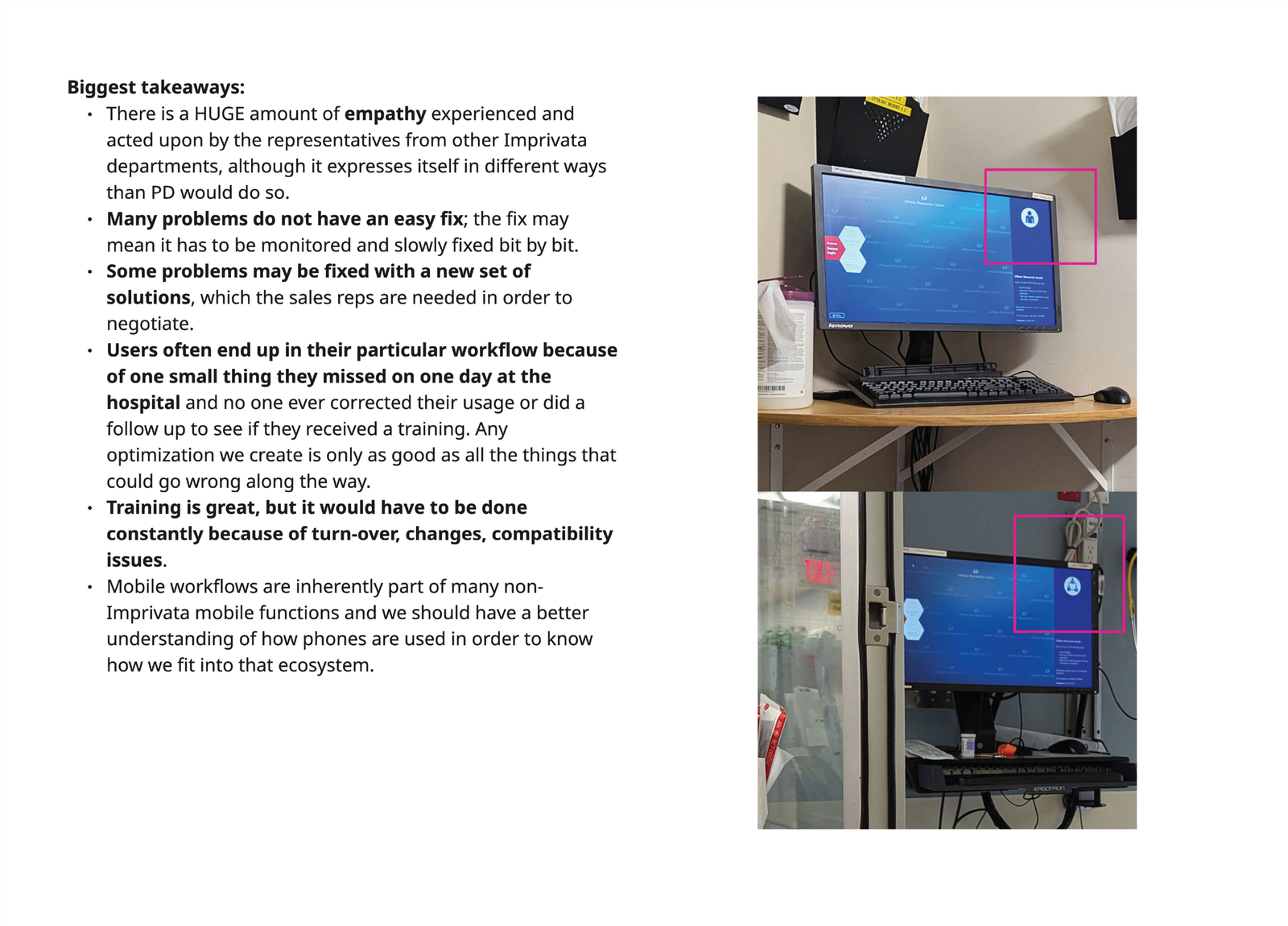
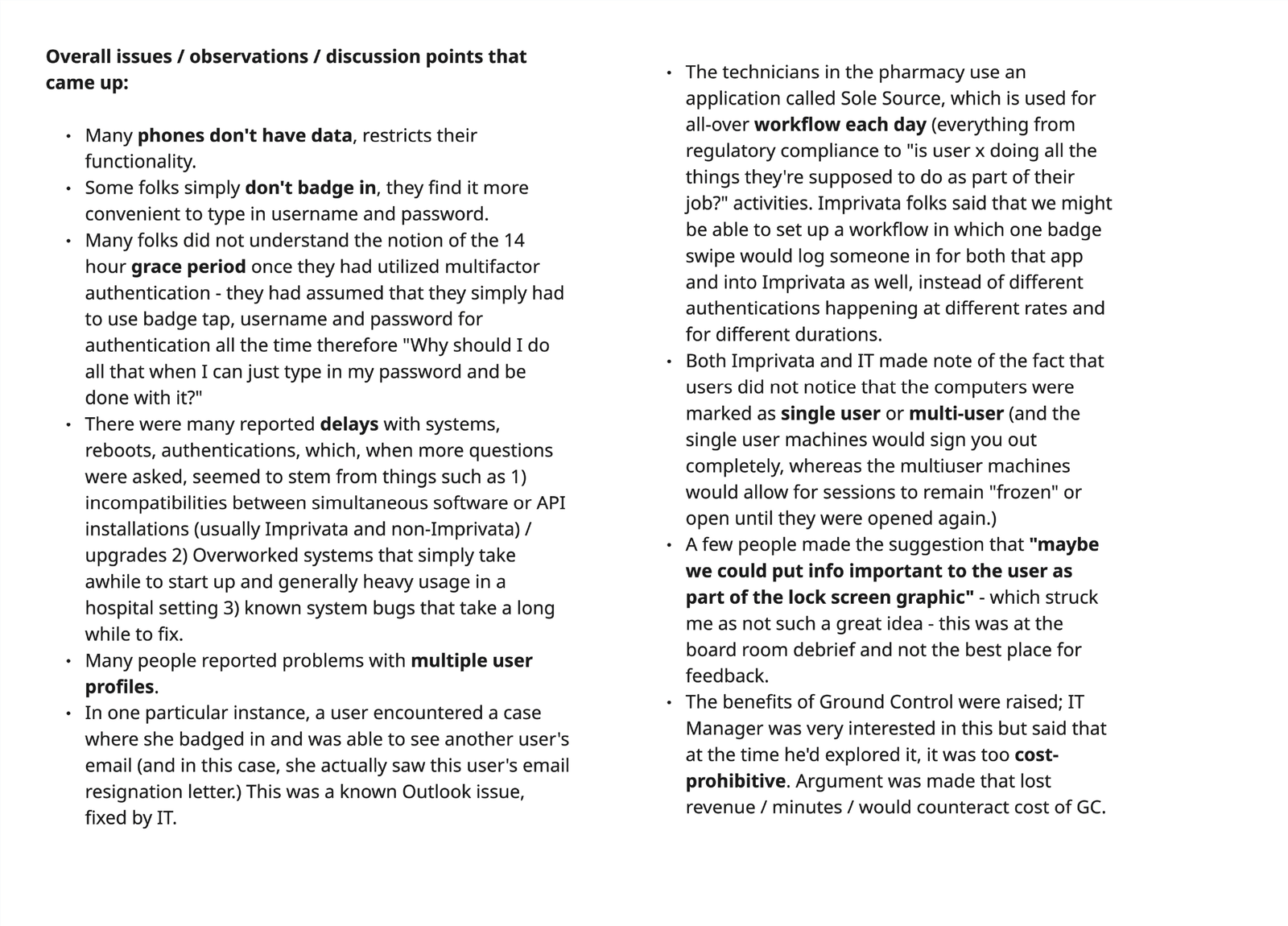
This summary captures insights from a four-hour on-site visit to UMass Memorial Medical Center. Collaborating with workflow specialists and engineers, I conducted observational research and clinician interviews to evaluate our product suite in a real-world setting. Key takeaways included identifying recurring workflow bottlenecks, documenting user-invented workarounds that highlight feature opportunities, and understanding the impact of hospital-specific protocols and budgetary constraints on our design strategy. These findings were synthesized into actionable recommendations for key project stakeholders. Below are the detailed notes and photographs from the visit.